
This guide provides general education and does not diagnose a condition or replace individual medical or physiotherapy assessment.
Pain does not mean exercise is damaging the joint
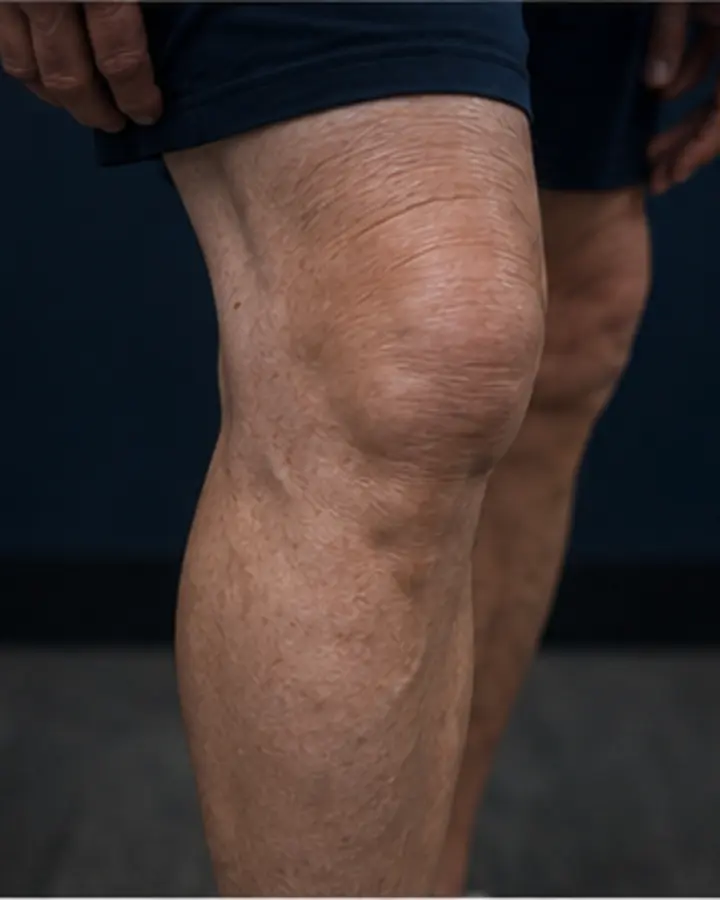
Knee osteoarthritis can cause pain, stiffness and reduced confidence with stairs, walking or rising from a chair. Appropriate exercise is commonly recommended because it can improve strength and function. The starting level should match current symptoms and capacity.
Useful forms of exercise
- Quadriceps and hip strengthening
- Sit-to-stand and step exercises
- Walking or cycling
- Pool exercise or hydrotherapy
- Balance work
- General physical activity that is sustainable
How much discomfort is acceptable?
Some discomfort during or after exercise can occur. The response should settle within a reasonable period and not lead to a major or sustained flare. Exercise type, load, range or frequency can be adjusted without abandoning the program.
When hands-on treatment is used
Manual therapy may be used to help movement or symptoms for some people, but it should support an active plan. Long-term improvement relies on building strength, capacity and confidence for the person’s daily activities.
When to seek medical review
A hot, markedly swollen knee, fever, inability to bear weight after trauma, true locking, or a rapid unexplained change in symptoms should be medically assessed. Treatment decisions about injections, medicines or surgery are made with the relevant medical practitioner.
Official links
Read the source for this topic.
Each link below opens the specific government or scheme page used for this guide.
Raby & Gledswood Hills