
This guide provides general education and does not diagnose a condition or replace individual medical or physiotherapy assessment.
Lower back pain is not one single condition
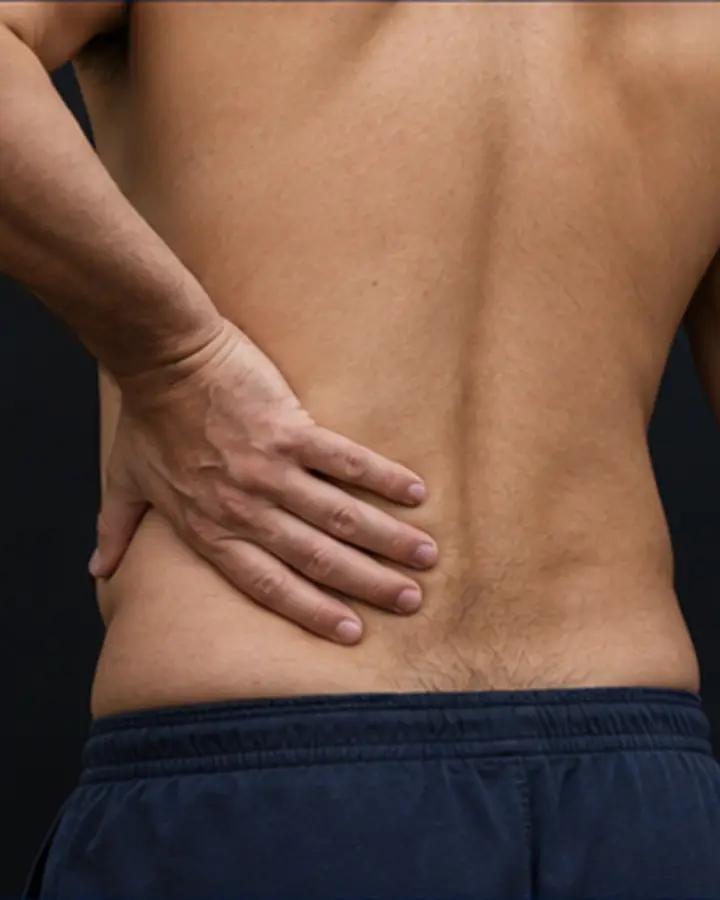
Lower back pain can begin suddenly after lifting, build gradually with repeated activity, or recur without an obvious injury. The painful area may include muscles, joints, discs or sensitive nerves. Symptoms can remain local to the back or travel into the buttock and leg.
A useful assessment looks beyond the painful spot. Your physiotherapist may consider how the symptoms began, movements that aggravate or ease them, work demands, sleep, previous episodes and any change in strength or sensation.
Common presentations
- Acute muscular or joint-related back pain
- Recurrent or persistent lower back pain
- Sciatica and radiating leg pain
- Disc-related symptoms
- Sacroiliac joint pain
- Work-related back injuries
- Reduced movement after surgery or inactivity
What physiotherapy may involve
Treatment is matched to the examination rather than based on a diagnosis alone. Early care may include education, comfortable movement, manual therapy and strategies to modify aggravating activity. As symptoms settle, rehabilitation usually progresses towards mobility, strength, lifting capacity and the tasks that matter to the individual.
For recurring pain, the goal is not simply short-term relief. A graded plan can help build confidence and physical capacity so normal activity becomes more manageable.
When should back pain be assessed urgently?
Seek urgent medical assessment for new loss of bladder or bowel control, numbness around the saddle area, rapidly worsening leg weakness, severe pain after major trauma, or back pain accompanied by significant illness or fever.
Returning to activity
Complete rest is rarely the long-term answer. Recovery is usually supported by a gradual return to walking, work, exercise and lifting at a level appropriate to the symptoms. Progress is adjusted according to response rather than following a rigid timetable.
Official links
Read the source for this topic.
Each link below opens the specific government or scheme page used for this guide.
Raby & Gledswood Hills